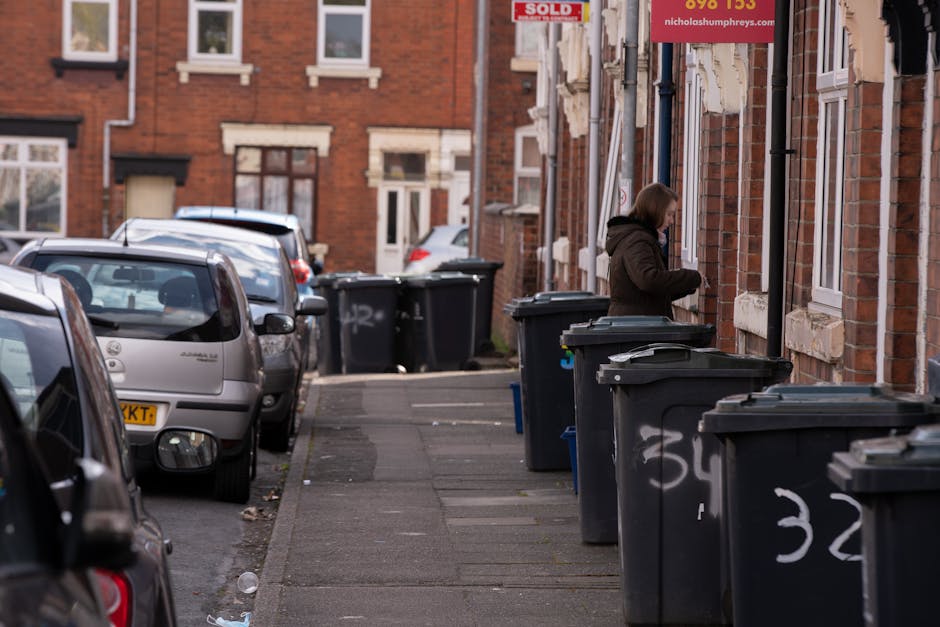
Eltham rubbish removal guide Well Hall Road to High Street
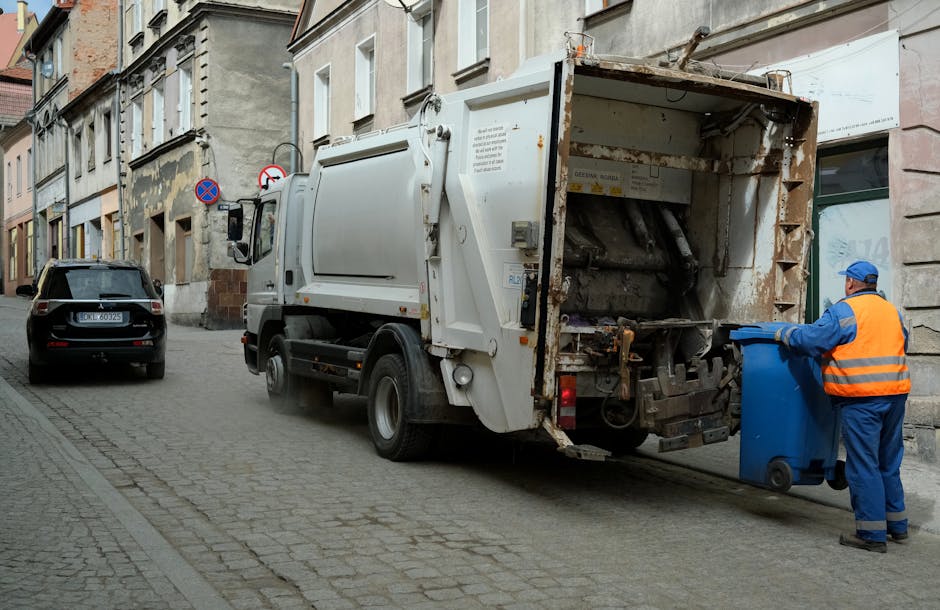
If you are dealing with a pile of bags, broken furniture, builder's rubble, or a loft full of forgotten clutter, the Eltham rubbish removal guide Well Hall Road to High Street is designed to help you make sense of it all. Rubbish builds up quietly, then suddenly it is in the hallway, on the drive, or stacked by the front door just when you need the space back. This guide walks through the practical options, the real-world decisions, and the small local details that matter when arranging waste removal in Eltham, especially around busy routes like Well Hall Road and the High Street.
You will find clear advice on how rubbish removal works, when a skip makes more sense than a man-and-van collection, what to watch out for with permits and access, and how to avoid the kind of mistakes that turn a simple clearance into a headache. Fair warning: the cheapest option is not always the easiest one. Sometimes the right choice is the one that saves you time, stress, and a second trip to the kerb.
Why Eltham rubbish removal guide Well Hall Road to High Street matters
Eltham is one of those places where rubbish removal feels simple on paper but gets complicated in the details. Streets near Well Hall Road and Eltham High Street can be busy, parking can be tight, and access for larger vehicles is not always straightforward. If you are clearing a home, a rental property, a shop unit, a garden, or a small building project, the way you handle waste affects everything from timing to cost to how smoothly the whole job runs.
The phrase Eltham rubbish removal guide Well Hall Road to High Street really points to the practical reality of working in a lived-in, active part of London. You need a method that fits the road layout, your waste type, and your schedule. A front garden full of hedge cuttings is one job. A two-room office clearance is another. And a pile of mixed renovation waste? That can get messy fast if you do not plan it properly.
There is also a trust factor. Rubbish should not just disappear from your property and reappear somewhere it should not. Responsible disposal matters. The good operators separate recyclable material, handle restricted waste carefully, and keep the process tidy from start to finish. It sounds obvious, but let's face it, everyone has heard stories about a cheap clearance that turned expensive later. Avoiding that is half the battle.
Practical takeaway: the best rubbish removal setup is the one that matches your waste, your access, and your timeframe. Not just the one that looks easiest at first glance.
How Eltham rubbish removal guide Well Hall Road to High Street Works
Rubbish removal usually starts with identifying what needs to go. That sounds basic, but it makes a big difference. Waste from a kitchen rip-out, for example, is very different from bagged household clutter or old office furniture. Once you know what you are dealing with, the next step is choosing the right collection method.
In local work around Eltham, the main options tend to be a straightforward rubbish removal service, a man and van collection, skip hire, or a more specific service such as garden waste removal or fridge and appliance removal. Each route suits a different kind of job.
With rubbish removal, the crew normally arrives, assesses the load, and clears it in one go. That is handy if you want minimal disruption and do not have room for a skip outside. With skip hire, waste is loaded over time, which suits longer projects and ongoing clear-outs. A grab lorry can be useful for heavy, loose material that is awkward to move by hand. If you are not sure, that is normal. People often think they need one thing and end up needing another after a quick site check.
The important thing is access. On roads like Well Hall Road, you may need to think about where a vehicle can stop safely, how long loading will take, whether parking is available, and whether you need extra permissions. A small access issue can slow everything down. Not dramatic, just annoying enough to cost you time.
Key benefits and practical advantages
Good rubbish removal is more than a tidy driveway at the end. Done properly, it gives you back space, reduces stress, and keeps the rest of your project moving. That is especially helpful if the job has already taken over your weekends and your patience is running thin.
- Fast space recovery: clears rooms, gardens, garages, and hallways so you can actually use them again.
- Less lifting and sorting for you: useful when waste is bulky, awkward, or just too much for one person.
- Better control over timing: particularly helpful if you are working around trades, tenants, or a handover deadline.
- Cleaner site conditions: fewer trip hazards, less mess, and a more manageable working area.
- Improved recycling outcomes: good operators separate waste where possible rather than treating everything as one mixed pile.
One of the biggest advantages around Eltham is flexibility. Not every property has the same driveway, frontage, or loading space. A clearance plan that works on a wider suburban road may not suit a narrower stretch near the High Street. Choosing the right service means you can work with the street, not against it.
There is also a psychological benefit that people underestimate. Once the waste is gone, decisions become easier. The room feels bigger. The garden feels usable again. You stop walking around the same stack of "sort later" items, which is oddly liberating. A bit dramatic maybe, but true.
Who this is for and when it makes sense
This guide is useful if you are a homeowner, landlord, tenant, builder, shop owner, office manager, or property cleaner trying to deal with unwanted waste somewhere between Well Hall Road and the High Street. The scenarios vary, but the underlying need is the same: you want waste removed safely, quickly, and without creating extra mess.
It makes particular sense if you are:
- clearing out a house after a move or renovation
- getting rid of old furniture, white goods, or broken household items
- managing garden cuttings, soil, turf, or branches
- dealing with builders waste after a kitchen, bathroom, or loft project
- emptying a garage, loft, basement, or shed
- removing office desks, filing, or commercial rubbish
- needing a fast solution because access or time is limited
It may not be the right fit if you only have a few small items that can go through regular council collection or if the waste is hazardous and needs specialist handling. That is where the judgement comes in. Waste removal is not one-size-fits-all, and pretending it is usually causes the hassle later.
If the job is more involved, services like house clearance, garage and loft clearance, or office clearance can be a better fit than a basic collection. For building works, you may want to look at builders waste removal or construction waste disposal.
Step-by-step guidance
If you want a smooth experience, it helps to treat rubbish removal like a small project rather than an afterthought. Here is the sensible way to approach it.
- Sort the waste into rough categories. Keep general rubbish, bulky items, garden waste, and building materials separate if you can. This makes quoting and loading easier.
- Check access early. Measure gates, note steps, narrow alleys, parking restrictions, and whether the load can be reached from the road.
- Decide between a collection and a container. If you want everything gone in one visit, a removal service may suit you. If the waste will build up over days, domestic skip hire could be better.
- Think about waste type. Heavy rubble, mixed renovation debris, green waste, mattresses, and appliances all behave differently. A simple sofa and mattress job is not the same as a bathroom strip-out.
- Ask about restrictions before booking. Some items need separate treatment. If you have chemicals, paints, fridges, or other special items, be upfront.
- Plan the timing. If you are working around trades or a delivery, make sure the clearance window is realistic. Nothing slows a job like moving waste twice.
- Load safely and efficiently. Put heavier items first when appropriate, keep sharp edges controlled, and avoid overfilling access areas.
- Confirm disposal and recycling. A reputable provider should be clear about what happens to the waste after collection.
For heavier or mixed material, the decision may tilt toward grab hire services or grab lorry hire. For a quick tidy-up where there is little room to spare, wait and load skip hire can be a neat compromise. The job determines the method. Simple as that, really.
Expert tips for better results
In our experience, the jobs that go smoothly are the ones where the customer has done a little prep beforehand. Not everything, just enough to save time. A few careful decisions at the start can shave a surprising amount of friction off the day.
- Take photos before you book. A few clear pictures of the waste, the access route, and the frontage help with accurate advice.
- Separate reusable or recyclable items first. If you can remove donations, good furniture, or recyclables before the collection, the rest becomes easier to handle.
- Stack sensibly. Bag smaller items so they do not spread everywhere, but do not overpack bags until they become unliftable.
- Keep a clear path. Hallways, doors, and driveways should be open. This sounds obvious until a box, a bicycle, and three plant pots are all in the way.
- Be honest about weight. Heavy waste changes the plan. Bricks, tiles, and soil can affect loading and cost.
- Ask what can be recycled. This is especially relevant if you care about lower landfill use and better sorting.
If the waste includes secure documents or private material, confidential shredding may be the smarter route. If it includes bulky white goods, check whether fridge and appliance removal is needed. And for mixed household junk, a wider man and van collection can often be more practical than hiring a container you may not fill.
One small tip that saves embarrassment: keep a bit of spare space at the front of the property for loading. It may only be a metre or two, but it matters. A lot.
Common mistakes to avoid
A lot of rubbish removal problems are preventable. They happen because people rush the choice or assume all waste is the same. It is not. Not even close.
- Choosing the wrong service type: a skip, a grab lorry, and a clearance team all solve different problems.
- Underestimating volume: what looks like three bags in the corner often becomes fifteen bags once sorted.
- Ignoring access issues: tight parking, low branches, steps, and narrow driveways can change the plan.
- Mixing restricted items with general waste: this can cause delays or separate handling needs.
- Forgetting permit needs: if a skip is going on a public road, permissions may be required.
- Leaving everything until the last minute: rubbish removal is easier when you are not trying to coordinate it between school run, work, and the plumber arriving at 10 a.m.
Another common mistake is assuming the cheapest quote is automatically the best value. Sometimes it is. Often it is not. If the quote does not account for labour, access, loading time, or disposal type, the final cost can be less pleasant than you hoped. Truth be told, hidden friction tends to cost more than the price difference.
Tools, resources and recommendations
You do not need much equipment to prepare for rubbish removal, but a few simple tools make the day easier. This is the sort of practical stuff people only mention after the job is finished, which is a shame because it helps a lot.
- strong bin bags or rubble sacks for loose items
- work gloves and sturdy shoes
- a tape measure for access checks
- masking tape or labels for sorting rooms and piles
- a phone camera for photos before collection
- basic hand tools for dismantling furniture where appropriate
When comparing services, it helps to look at pricing and quotes carefully so you understand what is included. You may also want to compare skip sizes and prices if you are weighing up a skip against a collection, or read what can go in a skip before loading anything yourself.
If sustainability matters to you, take a look at recycling and sustainability to understand how waste is handled after collection. For wider confidence in how the company operates, pages such as about us, insurance and safety, and health and safety policy are worth reviewing before you book.
Law, compliance, standards and best practice
Waste removal in the UK is not just a logistics issue; it is also a responsibility issue. You do not need to become a compliance expert, but you should know the broad expectations. Waste must be handled by a legitimate carrier, disposed of appropriately, and kept separate where special handling is needed. That is the baseline. Simple enough, but worth saying plainly.
For householders, the main best practice is to use a provider that can explain where the waste goes and how different waste streams are managed. For landlords, businesses, and contractors, the duty of care becomes even more important because the waste trail needs to be tidy and defensible. If you are clearing a site, an office, or a refurbishment project, it is sensible to use a service that treats documentation and sorting seriously.
If you need extra reassurance, services like commercial skip hire, site clearance, and office clearance can usually be discussed with a clearer focus on compliance and site conditions. For construction and demolition work, the more specific options such as builders waste removal and demolition waste removal are often a better fit than a general-purpose collection.
Permits matter too. If a skip needs to be placed on a public road, you should check whether a permit is needed. The exact arrangement depends on location and placement, so it is better to confirm early than gamble and hope for the best. That is one of those small admin jobs that saves a lot of irritation later.
Options, methods and comparison table
Here is a practical comparison to help you choose the right approach for rubbish removal around Eltham.
| Option | Best for | Advantages | Things to watch |
|---|---|---|---|
| Rubbish removal collection | General household, bulky items, mixed clear-outs | Fast, low effort, minimal on-site clutter | Needs clear access and a realistic load description |
| Skip hire | Ongoing projects, DIY, gradual loading | Flexible timing, useful on longer jobs | May need a permit; requires space |
| Wait and load | Roadside loading with limited space | No long-term skip storage, quick turnaround | Needs efficient loading and organised waste |
| Grab hire | Heavy, loose material like soil or rubble | Good for bulky loads and hard-to-handle waste | Access and pile placement matter |
| Man and van | House clearances, small-to-medium loads, varied waste | Flexible and often convenient for awkward jobs | Sorting and weight still need to be planned |
If your job is mostly domestic clutter, a domestic skip hire approach or a general collection may suit you best. If it is a larger commercial job, then commercial skip hire can be more efficient. For mixed, heavy material, grab hire often becomes the sensible choice. It is less glamorous than it sounds, but very effective.
Case study or real-world example
Here is a realistic example. A small property on a side road off Well Hall Road had a weekend clear-out planned before new flooring went in. The household had old shelving, a broken wardrobe, a couple of mattresses, bagged loft clutter, and some garden waste from the back. There was no room to leave a skip for several days, and parking was already awkward because of neighbouring cars.
Rather than trying to force everything into one container, the team split the job into two parts. The heavier and bulkier items were removed first, and the garden waste was dealt with separately. The front access was kept clear, the lift-out route was checked in advance, and the whole thing was finished in one tidy visit. No drama. No blocked pavement. No pile of stuff left sitting around while everyone waited for a second attempt.
The real win was timing. Because the rubbish was gone before the flooring fitters arrived, the project stayed on schedule. That is often what people want most, even if they do not say it out loud. Not just disposal. Peace.
Practical checklist
Use this checklist before you book your clearance or skip.
- Identify the main waste types you need removed
- Separate hazardous or restricted items from general rubbish
- Check access, parking, and loading space
- Measure gates, alleyways, and doorway widths if needed
- Decide whether the waste will be removed at once or over several days
- Compare skip, grab, man-and-van, and clearance options
- Ask what recycling or sorting is included
- Confirm whether a permit may be needed for roadside placement
- Prepare photos if you want a more accurate quote
- Clear a safe loading route before collection day
- Review the provider's terms, payment, and safety information
If you are still weighing the options, a quick look at book online, payment and security, and terms and conditions can help you feel more confident before you commit.
Conclusion
The best way to approach rubbish removal in Eltham is to match the method to the mess. That sounds almost too simple, but it is the bit people get wrong most often. Around Well Hall Road and the High Street, access, timing, waste type, and space all matter. When you account for those things early, the job becomes much easier and far less stressful.
Whether you need a one-off clearance, a skip for a bigger project, or a specialist service for heavier or more awkward waste, the key is to plan sensibly and choose a service that fits the street as well as the load. If you do that, you are already ahead of the game. And once the clutter is gone, the space tends to feel better than you remember. A bit lighter. A bit calmer. Which, honestly, is half the point.
Get a free quote today and see how much you can save.
Frequently Asked Questions
What is the best rubbish removal option for a home near Well Hall Road?
It depends on how much waste you have and how quickly you want it gone. For mixed household items, a man-and-van style collection or general rubbish removal is often the easiest. For a longer DIY job, skip hire can make more sense.
Do I need a skip permit in Eltham?
You may need a permit if the skip is placed on a public road rather than private land. The exact requirement depends on where the skip goes, so it is best to check before booking. If you can keep it on a driveway, that is usually simpler.
Can builders waste and household waste be mixed together?
Sometimes they can, but it is not always the most efficient choice. Mixed waste may affect pricing and handling. If you have a lot of rubble, timber, plasterboard, or other renovation debris, a builders-focused service is usually better.
How do I know whether I need grab hire or skip hire?
Use grab hire if you have loose, heavy, or awkward material that is easy to load from a pile. Use skip hire if you want to load waste gradually over time. Access and space are usually the deciding factors.
What should I do with fridges, mattresses, and old appliances?
These items often need separate handling. A dedicated appliance or mattress disposal service is usually better than putting them into a general load without checking first.
Is rubbish removal faster than hiring a skip?
Often yes, especially if you want everything cleared in one visit. A skip can still be useful, but it usually works best when you need time to load waste yourself.
Can I use rubbish removal for a garden clearance?
Yes, and garden waste removal is a common use case. Branches, cuttings, hedge trimmings, and old outdoor clutter can usually be handled efficiently, provided you separate any restricted items.
What happens to the waste after collection?
That depends on the type of waste and the provider's sorting process. Good practice is to separate recyclable material where possible and dispose of the remainder responsibly. If sustainability matters to you, ask how the load is processed.
How much space do I need for rubbish removal?
You need enough room for safe access, loading, and vehicle parking. The exact amount depends on the collection method. Even a small clear path can make a big difference on the day.
What is the difference between man and van and a general clearance service?
They overlap quite a bit, but a man and van collection is usually more flexible for smaller or mixed loads, while a clearance service may suit larger or more structured jobs like house, garage, or office clear-outs.
Can I book same-day waste collection?
Sometimes, yes. Availability depends on the day, the load, and your location. If your job is time-sensitive, a same-day option can be very useful, especially for last-minute moves or builders clearances.
What is the safest way to prepare rubbish before collection?
Sort items by type, keep pathways clear, remove anything hazardous, and make sure heavy items are not blocking access. A little prep saves time and reduces the chance of damage or delays. Small effort, big payoff.